Why Is My Cat Drinking So Much Water? 7 Vet-Backed Reasons (and When to Worry in 2026)
If your cat is suddenly drinking more water than usual, it could be normal — or an early warning sign of kidney disease, diabetes, or hyperthyroidism. A vet-informed 2026 guide for U.S. cat parents.
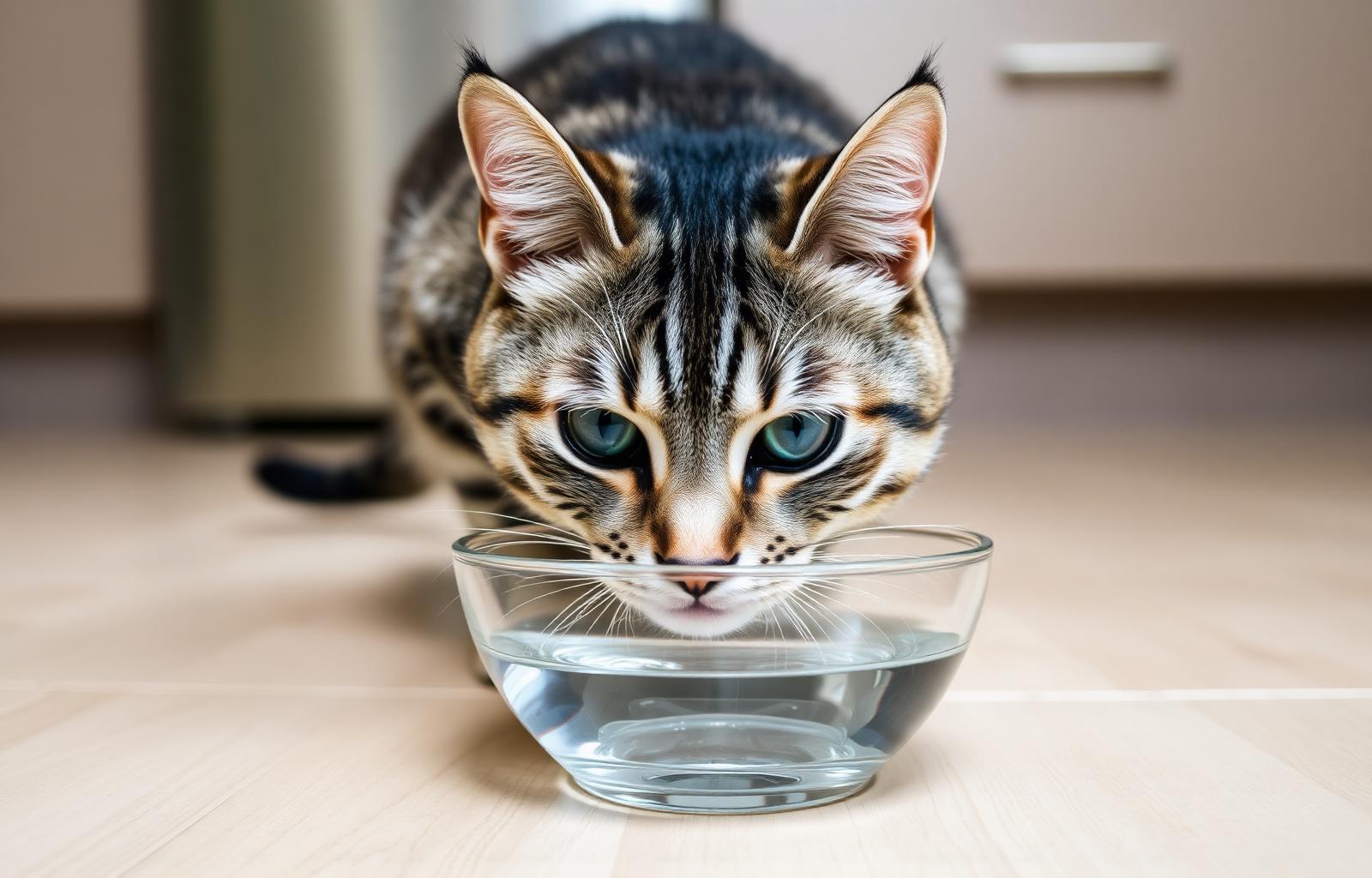
You filled the water bowl this morning — and somehow it's already empty. If you've noticed your cat hovering around the bowl, slurping from the faucet, or even drinking from your glass, you're not imagining things. A sudden change in thirst is one of the most common — and most overlooked — early warning signs in feline medicine.
This 2026 vet-informed Catales guide breaks down exactly why your cat is drinking a lot of water, how much is actually normal, the seven medical and lifestyle causes behind it, and the precise signals that mean it's time to call your veterinarian today, not next week.
How Much Water Should a Cat Actually Drink Per Day?
Cats evolved from desert-dwelling ancestors and naturally have a low thirst drive. The general veterinary benchmark is roughly 3.5 to 4.5 ounces of water per 5 pounds of body weight per day — including moisture from food.
- A 10-lb cat eating dry kibble drinks roughly 7–9 oz (about 1 cup) of water daily.
- A 10-lb cat on canned wet food may drink as little as 2–3 oz, because their food is ~75% water.
- Anything consistently above ~1.5 oz per pound per day is considered excessive thirst, also called polydipsia.
The simplest at-home check: measure the bowl in the morning and again 24 hours later for three days in a row. A clear upward trend matters more than any single day.
Increased Thirst in Cats: Normal vs. Concerning
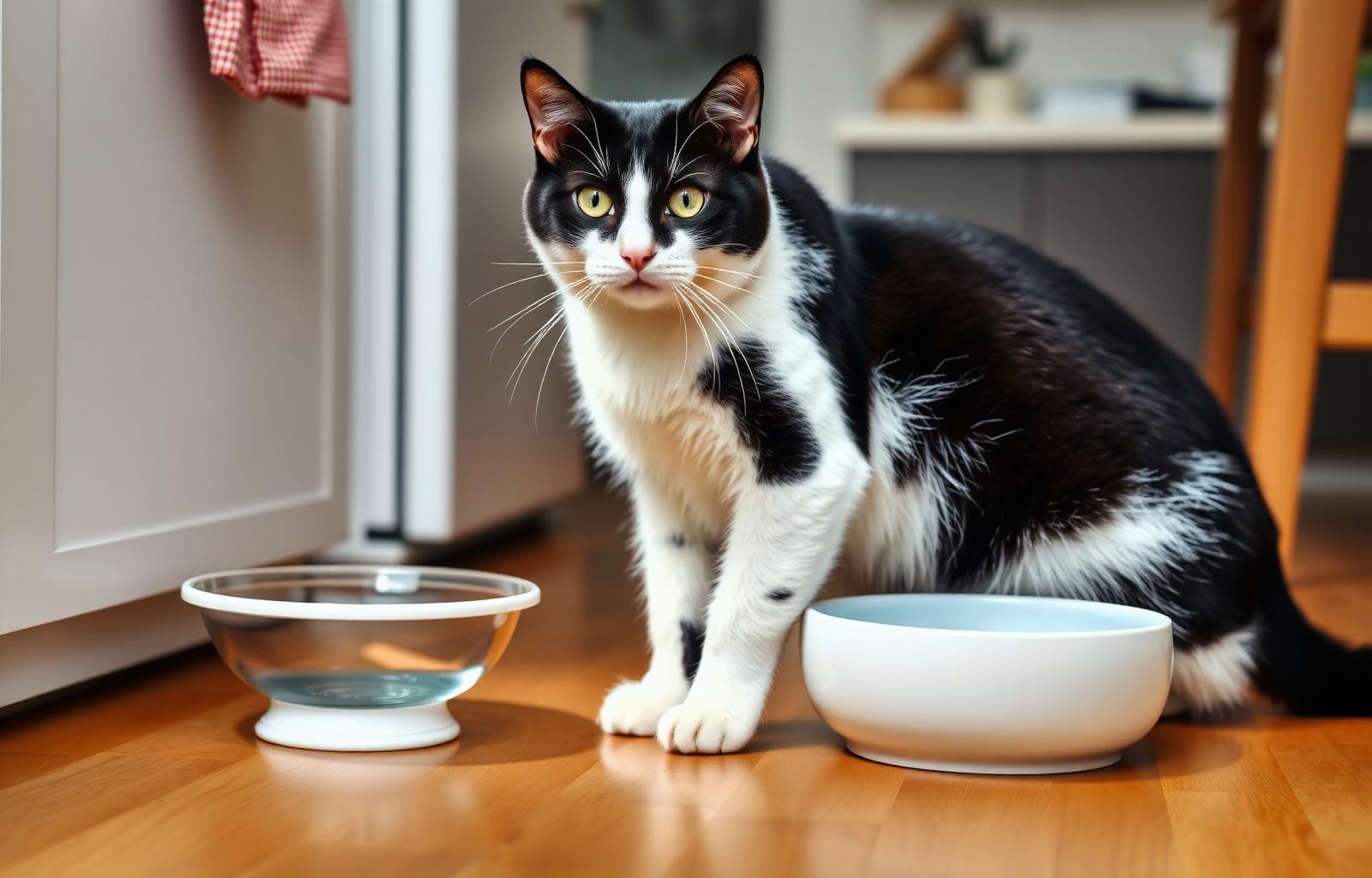
Some thirst spikes are completely harmless. Others are not. Here's how to tell the difference.
Often normal
- Hot weather or a warm room
- Recent switch from wet food to dry kibble
- After heavy play or zoomies
- Salty treats or a new high-sodium food
- Lactation in nursing mother cats
Worth a vet call
- Thirst increase lasting more than 3–5 days with no obvious cause
- Water intake doubles compared to baseline
- Your cat is also urinating more, losing weight, or eating more or less
- Vomiting, lethargy, bad breath, or a dull coat alongside the thirst
7 Vet-Backed Reasons Your Cat Is Drinking So Much Water
Polydipsia in cats has a relatively short list of medical suspects. These are the seven causes feline veterinarians evaluate first.
1. Chronic kidney disease (CKD)
The single most common reason older cats drink more. Damaged kidneys lose the ability to concentrate urine, so cats compensate by drinking constantly. CKD affects an estimated 30–40% of cats over age 10. Pair excessive thirst with weight loss and frequent litter box visits and CKD jumps to the top of the list.
2. Diabetes mellitus
Feline diabetes is rising in the U.S., closely tied to indoor lifestyles and high-carb diets. Classic symptoms — the "3 P's" — are polydipsia, polyuria, and polyphagia (more drinking, more peeing, more eating). A diabetic cat may also show a plantigrade stance (walking on hocks).
3. Hyperthyroidism
An overactive thyroid revs up metabolism. Affected cats are usually middle-aged or senior, drink more, eat ravenously, lose weight, and may seem hyperactive or vocal at night. A simple T4 blood test confirms it.
4. Urinary tract infection (UTI) or FLUTD
Lower urinary tract issues can cause increased thirst paired with straining, blood in the urine, or frequent small trips to the litter box. Male cats with urinary blockages are a true emergency.
5. Diet shift to dry food
Kibble is roughly 8–10% moisture; wet food is 70–80%. Cats moved off wet food often double their water intake within a week. This is benign — but worth noting so you don't mistake it for disease.
6. Medications
Steroids (prednisolone), diuretics, and certain heart medications all raise thirst. Always tell your vet about every medication if a thirst change appears.
7. Hot weather, stress, or environmental triggers
Heat waves, a new pet, a move, or even a noisy renovation next door can temporarily push water intake up. Resolve in 1–2 weeks once the trigger ends.
Hidden Health Risks Behind Excessive Thirst
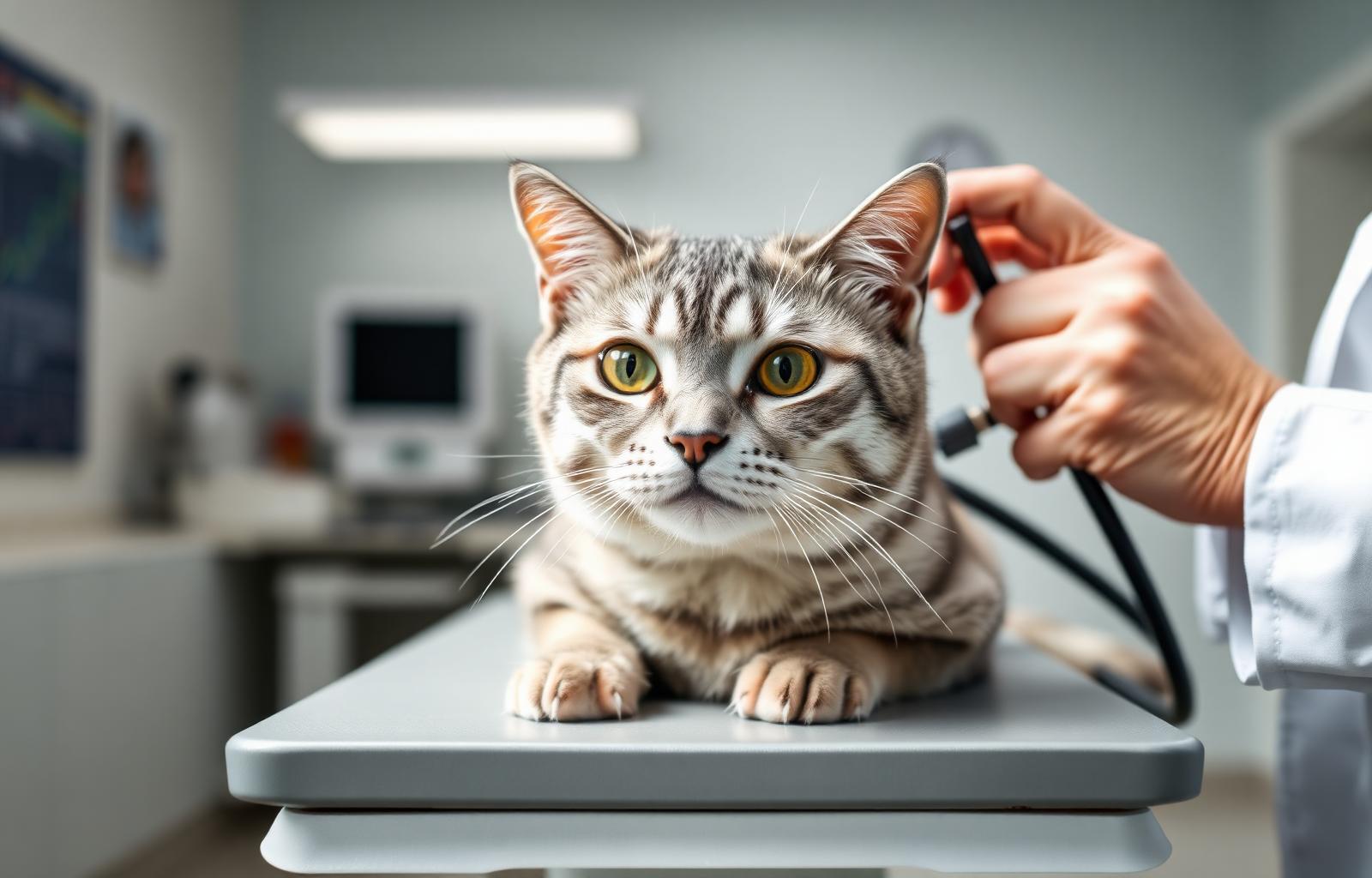
Cats are evolutionary masters at hiding illness. By the time the water bowl is visibly emptier, the underlying disease has often been progressing for weeks or months. Catching it now — instead of after a crisis — can add years to your cat's life.
- Untreated CKD can progress to dehydration, anemia, and uremia.
- Untreated diabetes can spiral into diabetic ketoacidosis within days.
- Untreated hyperthyroidism stresses the heart and can cause cardiomyopathy.
- Urinary blockages in male cats are fatal within 24–72 hours if untreated.
If you remember nothing else: persistent excessive thirst is never just a quirk in cats.
How a Veterinarian Diagnoses Polydipsia in Cats
Your vet will follow a clear, fast diagnostic path. Knowing the steps removes the anxiety of the visit.
1. History and weight check
Be ready to share an estimate of daily water intake, recent diet changes, medications, and how long the change has lasted.
2. Physical exam
The vet feels for an enlarged thyroid, palpates the kidneys and bladder, and assesses hydration via skin tent and gum moisture.
3. Bloodwork (CBC + chemistry + T4)
The single most informative test. It screens for kidney values (BUN, creatinine, SDMA), blood sugar (diabetes), and thyroid hormone (T4).
4. Urinalysis
Shows urine concentration (specific gravity), glucose, protein, and signs of infection — three diagnoses in one quick test.
5. Blood pressure and ultrasound (if needed)
Common in seniors with kidney or heart concerns.
Most cats walk out with a clear answer the same day.
Hydration Tips: How to Help Your Cat Drink the Right Amount
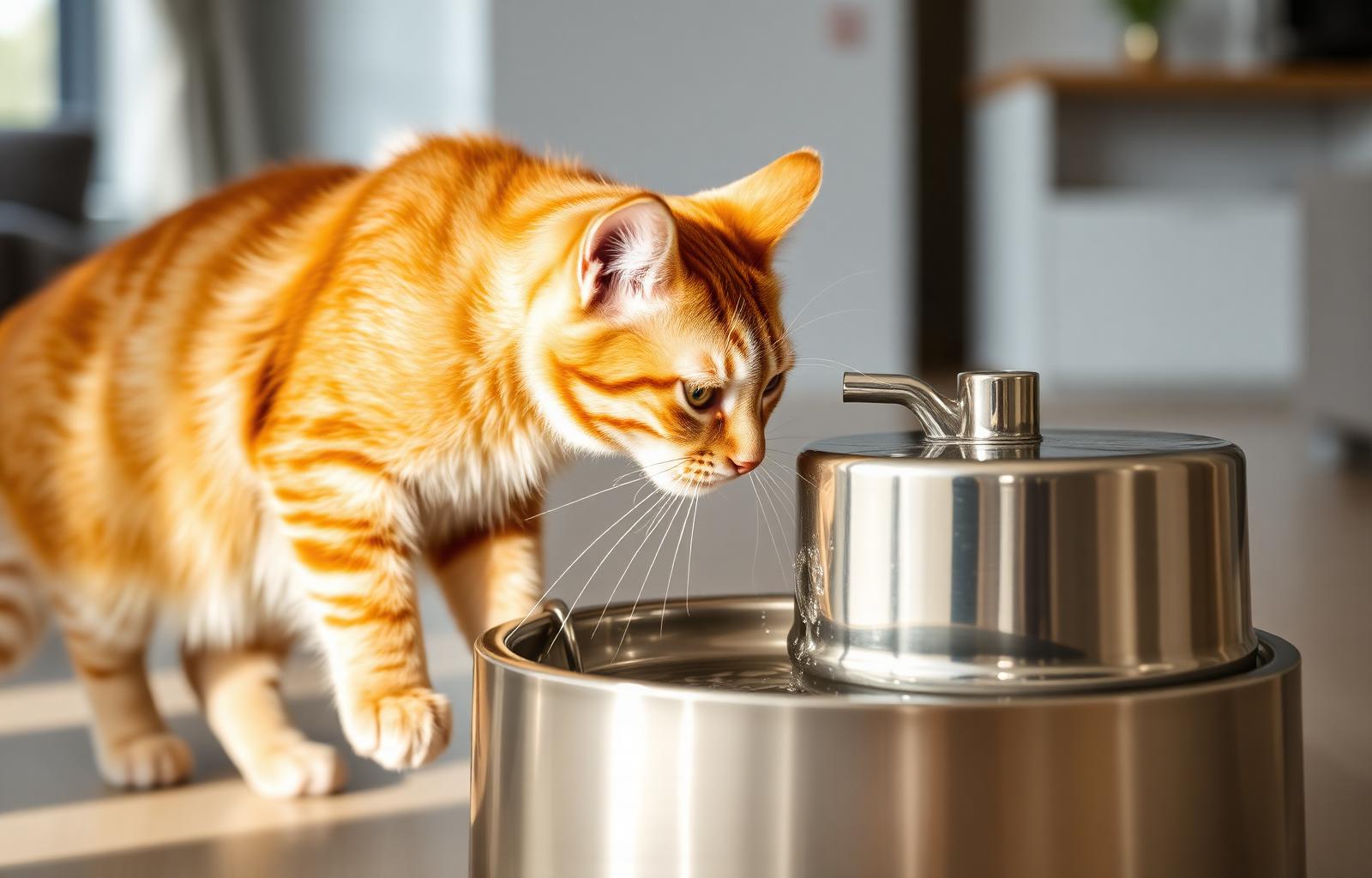
Whether your cat is drinking too much or too little, environment matters. Small tweaks make a measurable difference.
- Use a pet water fountain. Moving water mimics streams and can increase voluntary intake by up to 50%.
- Offer multiple bowls. Vets recommend one more water station than the number of cats — and place them away from the litter box and food.
- Choose wide, shallow ceramic or stainless steel bowls. Plastic harbors bacteria; narrow bowls cause whisker fatigue.
- Refill twice a day. Cats prefer fresh, room-temperature water.
- Add wet food. Even one wet meal a day shifts hydration dramatically.
- Track intake weekly. A simple measuring cup is the cheapest health tool you own.
Diet, Wet Food, and Why Moisture Matters
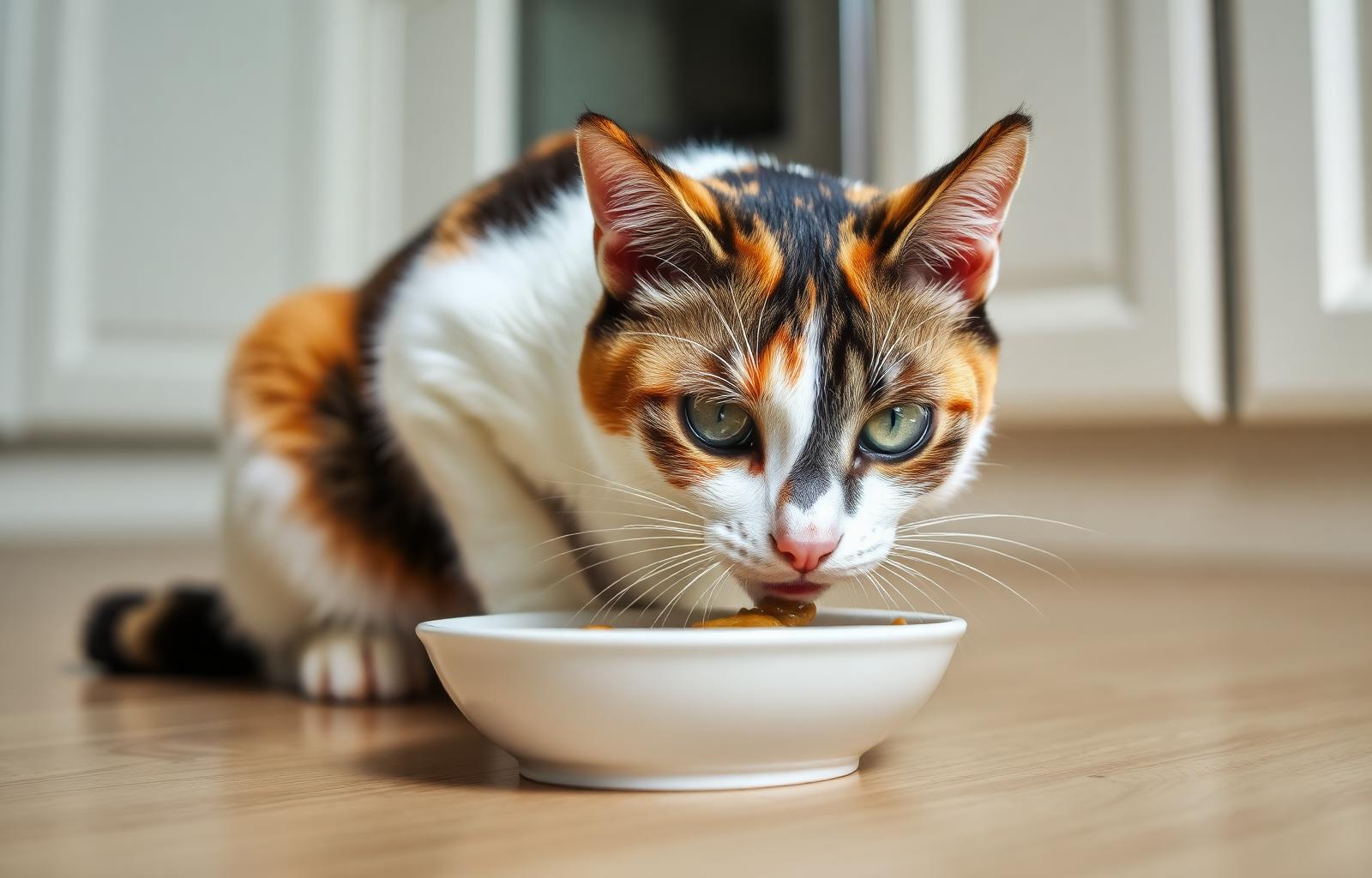
Diet is the single biggest variable in feline hydration. Cats fed exclusively dry kibble routinely live in mild chronic dehydration, which stresses the kidneys over years. Adding wet food — even just once a day — gives the urinary system a measurable break.
- Look for AAFCO-compliant pâtés with named animal proteins
- Aim for at least 70% moisture content (most canned foods qualify)
- For seniors and CKD-prone breeds, talk to your vet about therapeutic renal diets
For deeper guidance, see our best wet cat food picks for 2026 and the raw vs. kibble breakdown.
When to Call the Vet — Red Flag Checklist
Pick up the phone today, not tomorrow, if your cat shows any of the following alongside increased thirst:
- Visible weight loss over the last few weeks
- Vomiting more than once a week
- Frequent or strained urination
- Blood in the urine or pink-tinted clumps in the litter
- A male cat unable to pee (medical emergency)
- Bad breath, drooling, or oral pain
- Lethargy, hiding, or sudden behavior changes
- Increased appetite paired with weight loss
For a complete behavioral signal map, see our signs your cat is sick guide.
Expert Veterinary Insights
Authorities including the American Veterinary Medical Association, the Cornell Feline Health Center, and the American Association of Feline Practitioners all stress the same point: a quiet shift in water intake is one of the most reliable early warnings in feline medicine. Annual senior wellness exams (twice a year for cats over 10) catch these conditions before symptoms become emergencies.
Pair this guide with our 2026 vaccination schedule and indoor daily care checklist for a full preventive routine.
Key Takeaways
- Healthy cats drink ~3.5–4.5 oz per 5 lb of body weight daily, including food moisture.
- Persistent thirst lasting more than 3–5 days deserves a vet visit.
- The top medical causes are kidney disease, diabetes, hyperthyroidism, and urinary issues.
- Wet food, fountains, and multiple stations support healthy hydration.
- Bloodwork plus urinalysis usually delivers a same-day diagnosis.
- In male cats, inability to urinate is a true emergency — go to the ER.
Frequently Asked Questions
Is it bad if my cat drinks a lot of water suddenly?
A sudden, persistent increase in thirst is almost always worth a vet visit. While heat or a diet change can be harmless triggers, kidney disease, diabetes, and hyperthyroidism are common medical causes — and all are treatable when caught early.
How much water is too much for a cat?
More than ~1.5 oz per pound of body weight per day, sustained for several days, is considered excessive (polydipsia). For a 10-lb cat, that's roughly more than 1.5 cups daily.
Can stress make a cat drink more water?
Yes — short-term stress (a move, new pet, construction) can briefly raise thirst. If it doesn't normalize within 1–2 weeks, see your vet to rule out medical causes.
Should I limit my cat's water if they're drinking a lot?
Never. Cutting water access can cause dangerous dehydration and mask symptoms. Always investigate the cause instead.
Conclusion: Trust Your Gut — and the Water Bowl
You know your cat better than anyone. If the bowl is emptying faster, that observation matters. Most causes of excessive thirst in cats are highly treatable — but only when caught early. Measure the intake, watch for the red flags above, and book a quick vet visit if anything feels off. Your cat's kidneys, pancreas, and thyroid will quietly thank you for years.
Next steps: Bookmark this page, share it with another cat parent, and explore our full cat health library for more vet-informed guides.
External authority sources: American Veterinary Medical Association · Cornell Feline Health Center · American Association of Feline Practitioners.
Continue reading
Catales Editorial
Veterinary-informed cat journalism for U.S. pet parents.
Related articles
H5N1 Bird Flu in Cats: What Every U.S. Owner Must Know in 2026
Cases of H5N1 bird flu in domestic cats are climbing across the U.S. Here is a vet-informed, plain-English guide to symptoms, prevention, raw-food risks, and what to do if your cat is exposed.
Cat Vaccination Schedule 2026: What U.S. Owners Need to Know
Core and lifestyle vaccines, ages, costs, and how to talk to your vet with confidence.
10 Subtle Signs Your Cat Is Sick (And When to Call the Vet)
Cats hide pain — these are the early warning signals every owner should know.
The Catales Letter
Cozy cat wisdom, every week
Vet-reviewed tips, breed spotlights, and product picks — straight to your inbox. No spam, ever.