Cat Vaccination Schedule 2026: What U.S. Owners Need to Know
Core and lifestyle vaccines, ages, costs, and how to talk to your vet with confidence.
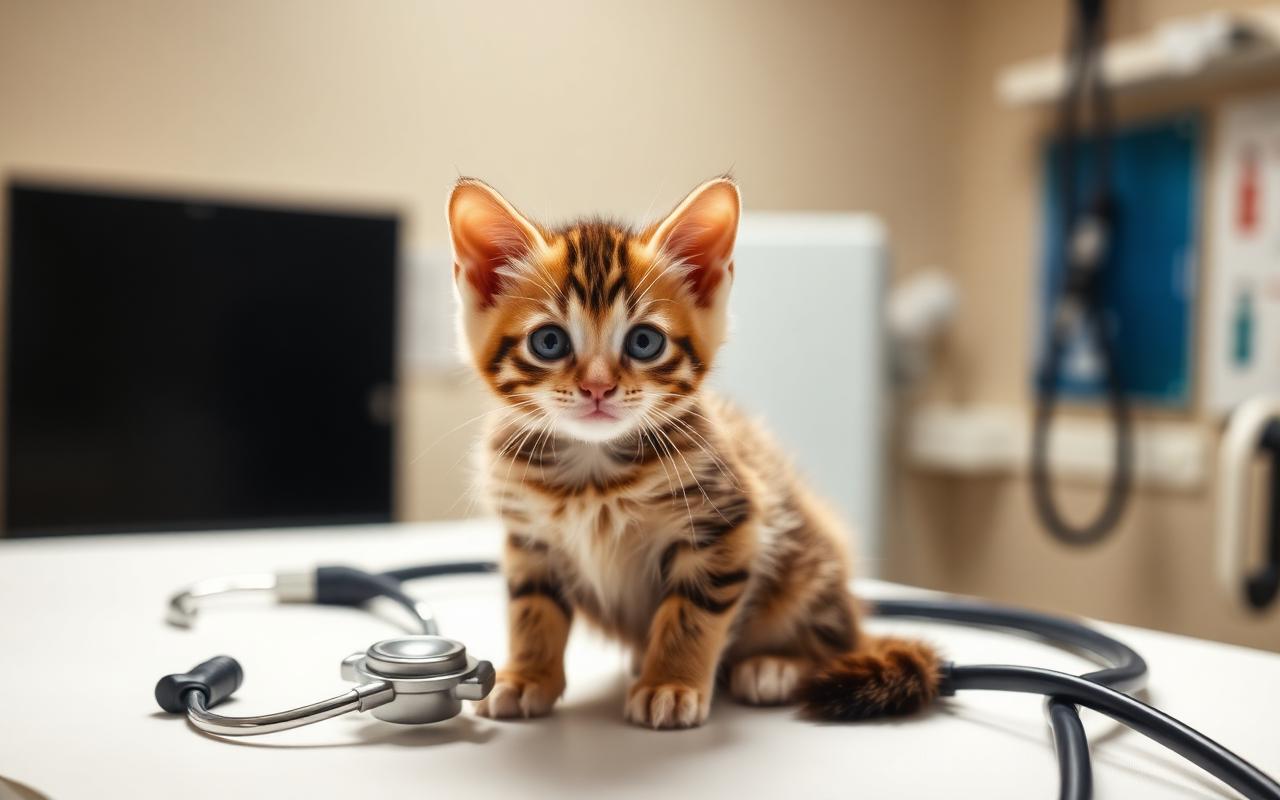
If you have ever paused to wonder what your cat truly needs, you are not alone. Across the United States, more households welcome cats than ever before, and modern owners want clear, evidence-based guidance. This in-depth guide to the 2026 cat vaccination schedule distills veterinary insights, behavioral science, and the lived experience of long-time cat parents into one practical resource.
Why This Matters Right Now
Recent surveys from the American Veterinary Medical Association show that cat ownership in the U.S. continues to climb, and along with it, awareness around feline wellness. Understanding the 2026 cat vaccination schedule helps you give your cat the long, comfortable life they deserve.
Background You Should Know
Cats are obligate carnivores with sophisticated instincts shaped over thousands of years. Even the most pampered indoor cat carries the same drives as a tiny apex predator. Recognizing this foundation transforms how we approach every aspect of the 2026 cat vaccination schedule.
- Independent yet deeply bonded to trusted humans
- Highly sensitive to routine and environment
- Subtle communicators, easy to misread
Step-by-Step Guidance
Use the following framework to put theory into practice today.
1. Observe before you act
Spend a quiet 10 minutes simply watching your cat. Note posture, tail movement, ear position, and breathing rhythm. These baselines make abnormalities easier to catch later.
2. Adjust the environment
Cats thrive on vertical space, hiding spots, and predictable routines. Small environmental upgrades often deliver outsized behavioral wins.
3. Refine the routine
Consistent feeding, play, and rest windows lower stress hormones and support digestion.
Expert Insights and Veterinary Perspective
Board-certified feline practitioners stress that prevention beats treatment every single time. Annual wellness exams, dental checks, and parasite prevention are non-negotiable, even for indoor-only cats. When in doubt, call your vet — telehealth options now make this easier than ever.
Common Mistakes to Avoid
- Free-feeding low-quality kibble without measuring portions
- Skipping enrichment and assuming cats "entertain themselves"
- Ignoring subtle behavior changes — they are often the earliest health signals
- Punishing a cat for natural behaviors instead of redirecting
Recommended Products and Tools
Quality matters more than quantity. A sturdy scratching post, a puzzle feeder, a wide ceramic water bowl, and a vet-approved diet will outperform a closet full of cheap gadgets.
Key Takeaways
- Build your approach around feline biology, not human convenience
- Small, consistent habits beat dramatic occasional changes
- Annual vet visits and a stable routine are the two highest-leverage investments
- Watch for subtle changes — cats hide discomfort by instinct
Frequently Asked Questions
How quickly will I see results?
Most cats respond to environmental and routine changes within two to four weeks.
Is this safe for senior cats?
Yes, with veterinary supervision. Older cats benefit even more from consistency.
What if my cat resists?
Go slower. Cats accept change on their own timeline; patience is the most underrated tool.
Conclusion
Caring for a cat is a long, rewarding conversation. Bring curiosity, respect their nature, and lean on trusted resources like Catales whenever you need a second opinion. Your cat does not need perfection — just a person who keeps learning.
Continue reading
Catales Editorial
Veterinary-informed cat journalism for U.S. pet parents.
Related articles
Why Is My Cat Drinking So Much Water? 7 Vet-Backed Reasons (and When to Worry in 2026)
If your cat is suddenly drinking more water than usual, it could be normal — or an early warning sign of kidney disease, diabetes, or hyperthyroidism. A vet-informed 2026 guide for U.S. cat parents.
H5N1 Bird Flu in Cats: What Every U.S. Owner Must Know in 2026
Cases of H5N1 bird flu in domestic cats are climbing across the U.S. Here is a vet-informed, plain-English guide to symptoms, prevention, raw-food risks, and what to do if your cat is exposed.
10 Subtle Signs Your Cat Is Sick (And When to Call the Vet)
Cats hide pain — these are the early warning signals every owner should know.
The Catales Letter
Cozy cat wisdom, every week
Vet-reviewed tips, breed spotlights, and product picks — straight to your inbox. No spam, ever.