H5N1 Bird Flu in Cats: What Every U.S. Owner Must Know in 2026
Cases of H5N1 bird flu in domestic cats are climbing across the U.S. Here is a vet-informed, plain-English guide to symptoms, prevention, raw-food risks, and what to do if your cat is exposed.
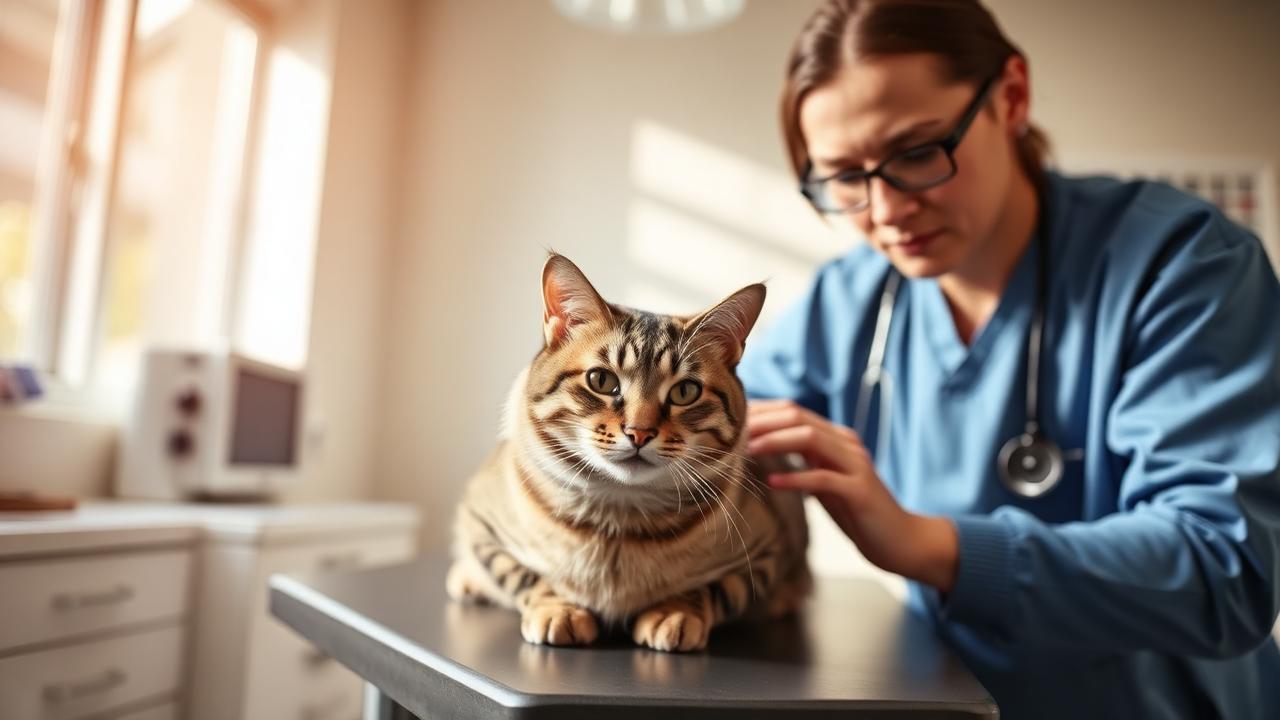
Bird flu in cats is no longer a rare, far-away headline. Since the H5N1 outbreak began spreading through U.S. dairy herds in 2024, veterinarians and the CDC have confirmed a rising number of domestic cat infections — many of them fatal. If you share your home with a cat in 2026, this is the one health story you cannot afford to scroll past.
This Catales guide breaks down what H5N1 actually does to cats, how the virus is reaching house pets, the foods and habits that quietly raise risk, and the practical steps every U.S. owner should take this week.
Why H5N1 in Cats Is Trending Right Now
Throughout 2024 and 2025, the U.S. Department of Agriculture documented H5N1 spillover from wild birds into dairy cattle, poultry flocks, and — alarmingly — barn cats, indoor pets, and even big cats in sanctuaries. The American Veterinary Medical Association (AVMA) and CDC have issued repeated advisories warning that cats appear unusually susceptible to severe disease.
In early 2026, several state health departments confirmed new clusters of feline H5N1 linked to raw pet food and unpasteurized dairy. That is why your social feed is suddenly full of vets begging owners to read the label.
How Cats Catch Bird Flu
Cats are efficient little hunters, and their biology — plus their diet — gives H5N1 several doors into the household.
The main exposure routes
- Hunting wild birds or rodents that carry the virus, especially waterfowl
- Eating raw or undercooked poultry in commercial raw diets
- Drinking unpasteurized (raw) milk from infected dairy cattle
- Contact with infected farm animals or contaminated barn environments
- Indirect contact via shoes, clothing, or hands of people who work with poultry or cattle
Indoor-only cats are safer, but not immune. Several confirmed 2025 cases involved strictly indoor cats whose only exposure was a contaminated raw food product.
Symptoms of H5N1 Bird Flu in Cats
Feline H5N1 progresses fast — sometimes within 24 to 72 hours. Early recognition saves lives.
Early warning signs
- Sudden lethargy or hiding
- Loss of appetite
- Fever (ears and paws feel hot)
- Watery eyes or nasal discharge
Severe / late-stage symptoms
- Labored or rapid breathing
- Neurological signs — tremors, circling, seizures, blindness
- Jaundice (yellow gums or eyes)
- Collapse
If you see any neurological or respiratory symptom, treat it as an emergency and call your veterinarian before driving in — they may want you to wait in your car to protect other patients.
The Raw Food and Raw Milk Problem
The single biggest controllable risk factor in 2026 is diet. The FDA and multiple state labs have detected viable H5N1 in commercial raw cat foods and in raw milk samples. Several brands have issued voluntary recalls.
What to do this week
- Switch off raw poultry-based diets until the outbreak is under control
- Choose cooked, canned, or kibble diets from reputable manufacturers
- Never offer raw milk, raw eggs, or raw meat scraps to cats
- Check the FDA recall list before your next pet-food purchase
Freeze-drying and "high-pressure processing" do not reliably kill H5N1. Heat does.
How to Protect Your Cat: A 7-Step Plan
- Keep cats indoors — especially in states with active poultry or dairy outbreaks.
- Audit the food bowl — cooked diets only, from brands with transparent sourcing.
- Skip raw milk and raw eggs for the entire household.
- Remove shoes at the door if anyone visits farms, parks, or ponds.
- Wash hands after handling poultry, eggs, or wild bird feeders.
- Take down outdoor bird feeders if your cat has window or patio access.
- Stay current on vet visits — your vet is your best local source for outbreak updates.
What to Do If You Suspect Exposure
Step 1 — Isolate
Move the cat to a quiet room away from other pets and people, especially anyone immunocompromised.
Step 2 — Call your vet first
Do not walk into the clinic unannounced. Most clinics now have an H5N1 protocol that includes outdoor triage.
Step 3 — Report
Confirmed or suspected feline H5N1 cases should be reported to your state veterinarian. This helps track outbreaks and protect other pets.
Step 4 — Protect yourself
Wear a mask and gloves when handling a sick cat. Human-to-cat and cat-to-human transmission is rare but documented in 2025.
Common Myths to Stop Believing
- "Indoor cats are 100% safe." Food and human-borne exposure still apply.
- "Raw is more natural, so it's healthier." Wild cats also die of pathogens; commercial cooking is a safety feature.
- "My vet would have told me." Vets rely on you to read labels and report symptoms early.
- "There's a vaccine for cats." As of May 2026, no licensed feline H5N1 vaccine is widely available in the U.S.
Key Takeaways
- H5N1 in cats is real, rising, and often severe
- Raw poultry diets and raw milk are the highest controllable risks
- Indoor living plus cooked food dramatically lowers risk
- Sudden lethargy, breathing trouble, or neurological signs = emergency
- Call your vet before arriving if exposure is suspected
Frequently Asked Questions
Can my cat give me bird flu?
Cat-to-human transmission has been documented but remains rare. Use gloves and a mask if your cat is symptomatic.
Is kibble safe?
Yes. Standard cooked commercial diets — kibble and canned — are not implicated in H5N1 spread.
Should I stop letting my cat outside?
For 2026, most veterinarians say yes, particularly in states with active dairy or poultry outbreaks.
What about my catio?
An enclosed catio with a roof is generally safe, as long as wild birds cannot drop feathers, droppings, or food inside.
Is there a treatment?
Supportive care (fluids, oxygen, anti-virals in select cases) under veterinary supervision. Early intervention dramatically improves outcomes.
Conclusion
The 2026 H5N1 outbreak is a sharp reminder that cat care is never just about cuddles and kibble — it is about staying informed. The good news: a few small changes (cooked food, indoor living, clean shoes at the door) cut your cat's risk dramatically. Bookmark this guide, share it with a fellow cat parent, and check back as Catales tracks this story.
Medical disclaimer: This article is educational and does not replace veterinary advice. Always consult a licensed veterinarian for your cat's specific situation.
Continue reading
Catales Editorial
Veterinary-informed cat journalism for U.S. pet parents.
Related articles
Why Is My Cat Drinking So Much Water? 7 Vet-Backed Reasons (and When to Worry in 2026)
If your cat is suddenly drinking more water than usual, it could be normal — or an early warning sign of kidney disease, diabetes, or hyperthyroidism. A vet-informed 2026 guide for U.S. cat parents.
Cat Vaccination Schedule 2026: What U.S. Owners Need to Know
Core and lifestyle vaccines, ages, costs, and how to talk to your vet with confidence.
10 Subtle Signs Your Cat Is Sick (And When to Call the Vet)
Cats hide pain — these are the early warning signals every owner should know.
The Catales Letter
Cozy cat wisdom, every week
Vet-reviewed tips, breed spotlights, and product picks — straight to your inbox. No spam, ever.