Why Is My Cat Staring at Me? The 2026 Guide Going Viral on TikTok
From silent love letters to subtle warning signs — feline behaviorists decode the unblinking stare that has the internet obsessed in 2026.
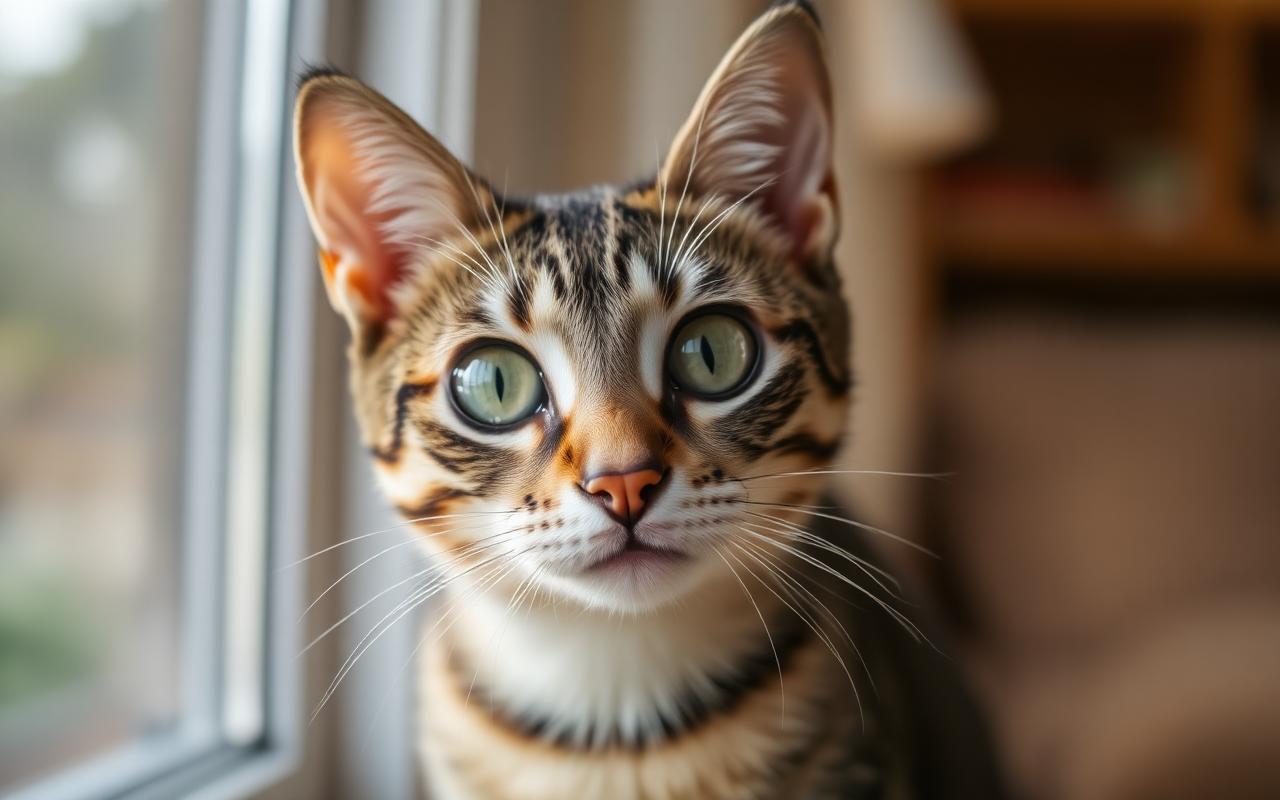
If you have ever looked up to find your cat silently watching you from across the room, you are not imagining it — and you are definitely not alone. "Why is my cat staring at me?" is one of the most-Googled cat questions of 2026, and TikTok behaviorists have turned the unblinking feline gaze into a full-blown trend.
This Catales guide breaks down what cat staring actually means, when it is sweet, when it is a quiet warning, and the science-backed responses that strengthen the bond with your cat.
Why Cat Staring Is Trending in 2026
A wave of viral TikToks (#CatStareCheck has crossed two billion views) and new research from feline ethologists at U.S. veterinary schools have put cat eye contact back in the spotlight. Owners are realizing that the long, silent stare is not creepy — it is one of the richest forms of feline communication we have.
The 7 Real Reasons Your Cat Is Staring at You
1. Affection (yes, really)
In cat language, sustained soft eye contact paired with a slow blink is the equivalent of saying "I love you." Behaviorists call it the feline kiss.
2. They want something
Food, the door opened, the laser pointer — cats quickly learn that staring at the human gets results. You trained them, technically.
3. Curiosity
Your cat is studying your facial expressions, breathing rhythm, and movement. Cats are obsessive observers of their humans.
4. Bonding and trust
A cat who feels safe will watch over you while you sleep, work, or shower. It is a quiet form of guarding.
5. Hunting instinct
The fixed, low-blink stare with dilated pupils — usually paired with a butt wiggle — means prey drive is engaged. Often you, a toy, or a passing fly.
6. Confusion or surprise
A new haircut, glasses, or even a different perfume can earn you a long, slightly suspicious stare.
7. Something is wrong
A glassy, unfocused stare — especially at walls or empty corners — can signal pain, vision changes, or neurological issues. More on this below.
Decoding the Stare: Eyes, Pupils, and Blinks
Slow blinks
Soft, lazy blinks are a green flag. Return them — close your eyes slowly for one or two seconds, then open them. You are literally telling your cat you love them back.
Wide pupils
Dilated pupils can mean excitement, fear, or low light. Read the rest of the body — flicking tail and pinned ears point to stress, while a relaxed posture points to play.
Unblinking, hard stare
Often a challenge, especially between cats. If directed at you with stiff body language, give your cat space.
When Cat Staring Is a Red Flag
Most staring is harmless. These patterns deserve a vet call:
- Staring at walls, ceilings, or empty corners for long stretches
- Staring combined with circling, head pressing, or disorientation
- One pupil larger than the other
- Staring while hiding more than usual or refusing food
- Sudden onset in a senior cat (possible cognitive dysfunction or hypertension)
When in doubt, record a 30-second video and send it to your veterinarian. Feline neurological issues are easier to catch early.
How to Respond to Your Cat's Stare
- Slow blink back. The single best bonding move you can make.
- Speak softly. Cats recognize their owner's voice and respond to gentle tones.
- Offer a choice. If they seem to want something, walk toward the food bowl, door, or toy and watch their reaction.
- Never stare-down a stressed cat. Hard eye contact reads as a threat. Look away and blink slowly instead.
- Track patterns. A quick note in your phone — "stared at wall again, 9pm" — helps your vet spot patterns.
Common Myths About the Cat Stare
- "My cat is plotting my demise." Funny meme, bad science. Most stares are affection or anticipation.
- "Cats see ghosts." They see motion, dust, and infrared-ish heat shimmer better than we do — not spirits.
- "Staring means dominance." Cats are not pack animals; "dominance" is a dog-world concept that mostly does not apply.
Key Takeaways
- The cat stare is real communication — usually affection, curiosity, or a request
- Slow blinks are the universal feline "I love you" — return them
- Hard, unblinking stares with stiff body language mean back off
- Staring at walls, head pressing, or uneven pupils warrants a vet visit
- Track unusual patterns and record video for your veterinarian
Frequently Asked Questions
Why does my cat stare at me while I sleep?
Usually love and light guarding. Cats feel safest near their trusted humans and often watch over them at rest.
Why does my cat stare at me without blinking?
Focused attention or anticipation. If body language is relaxed, it is a compliment.
Why is my cat staring at the wall?
Often hearing a sound you cannot — but persistent wall-staring is a flag for a vet exam.
Should I stare back at my cat?
Only with soft eyes and slow blinks. Avoid hard, unbroken eye contact.
Is staring a sign of aggression?
Sometimes — especially with a tense body, low growl, or pinned ears. Give your cat space.
Conclusion
The next time your cat fixes you with that long, silent stare, you will know it is rarely random — and almost never sinister. Slow blink back, watch the body language, and treat any sudden change as information worth sharing with your vet. Bookmark this guide and share it with the cat parent in your life who keeps asking "why is she looking at me like that?"
Educational content only — not a substitute for veterinary advice.
Continue reading
Catales Editorial
Veterinary-informed cat journalism for U.S. pet parents.
Related articles
Cat Zoomies at 3 AM: Why Your Cat Goes Crazy at Night (2026 Guide)
The midnight sprint, the wild-eyed pounce, the thunder paws across your hallway — here is the vet-informed truth behind the 3 AM cat zoomies and how to finally sleep through the night.
Decoding Cat Body Language: A Tail-to-Whisker Guide
Tails, ears, eyes, and posture — learn to read what your cat is really saying.
Why Do Cats Knead? The Science Behind 'Making Biscuits'
From kittenhood instinct to adult comfort behavior — the surprising reasons cats knead.
The Catales Letter
Cozy cat wisdom, every week
Vet-reviewed tips, breed spotlights, and product picks — straight to your inbox. No spam, ever.