Cat Zoomies at 3 AM: Why Your Cat Goes Crazy at Night (2026 Guide)
The midnight sprint, the wild-eyed pounce, the thunder paws across your hallway — here is the vet-informed truth behind the 3 AM cat zoomies and how to finally sleep through the night.
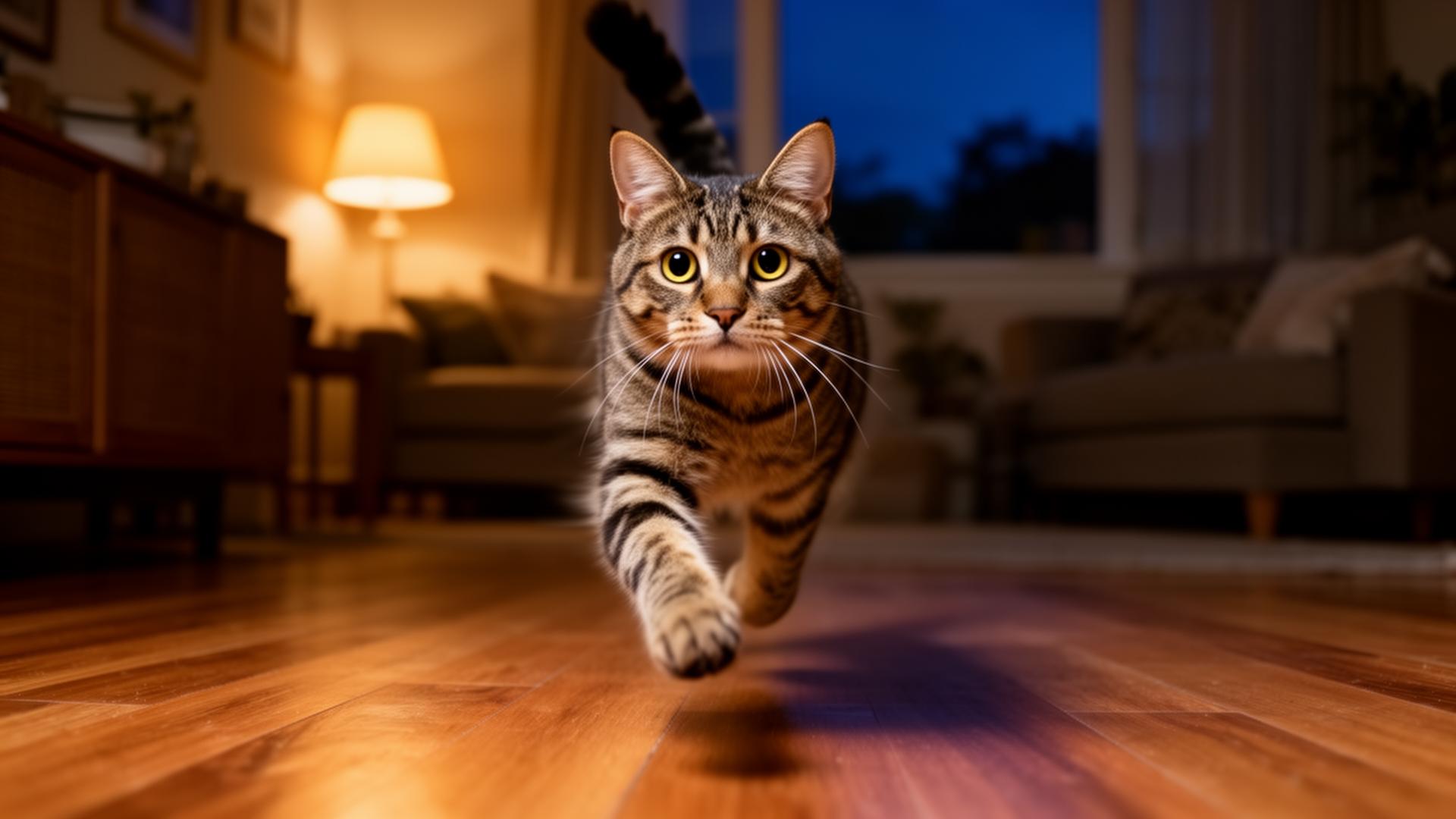
It is 3:07 AM. You are dead asleep — until a forty-mile-an-hour fluffball detonates off the dresser, body-slams the hallway, and disappears into the dark like a furry comet. Welcome to the zoomies, the most-searched cat behavior question on Google and TikTok in 2026.
If your cat goes feral at night, you are not raising a defective animal. You are raising a tiny, perfectly healthy predator whose internal clock disagrees with yours. This Catales guide unpacks why cat zoomies at night happen, when they are normal, when they are a quiet warning, and the exact 7-step plan vets recommend to win back your sleep.
What Are Cat Zoomies, Really?
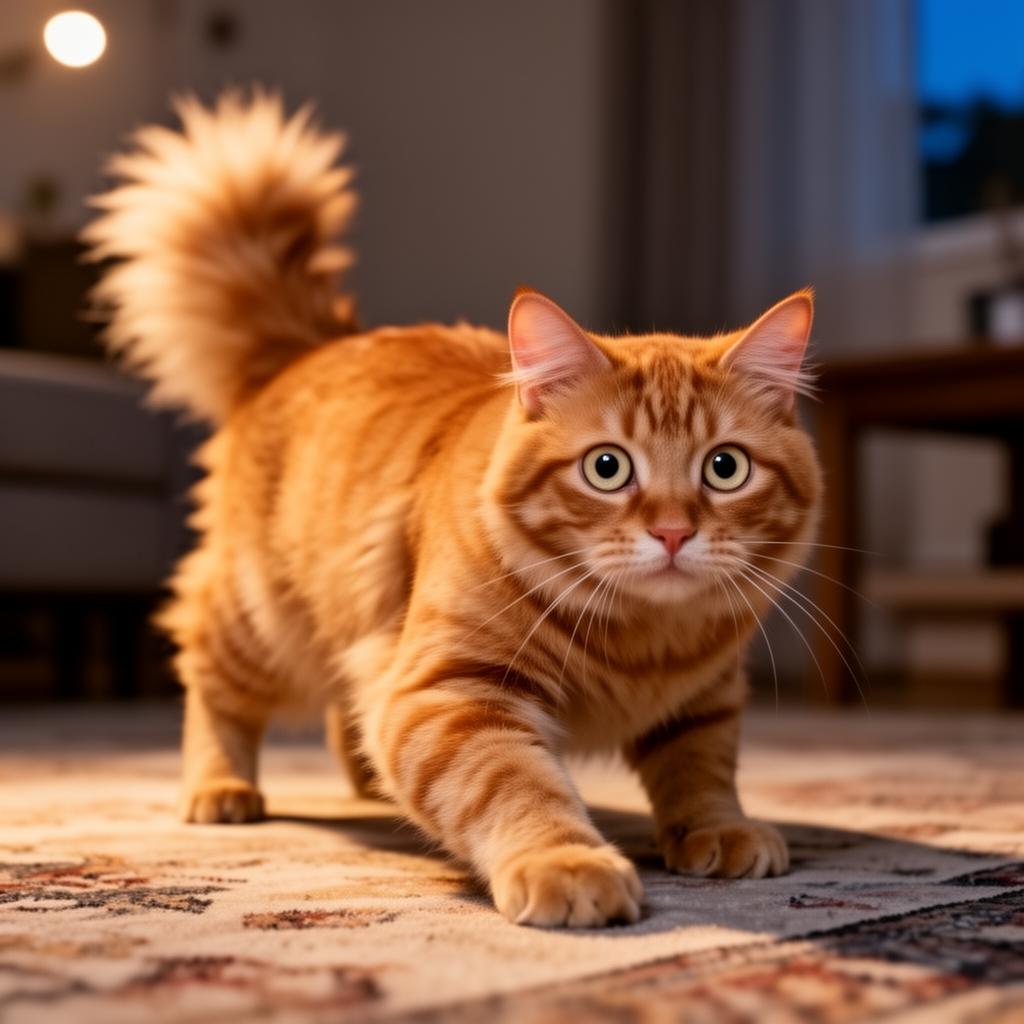
Behaviorists call them frenetic random activity periods, or FRAPs. You probably call them the night crazies, the 3 AM crazies, or "what in the actual heck is happening in my hallway." Whatever the name, the pattern is the same: a sudden burst of explosive energy, often after a nap, after the litter box, or in the small hours of the morning.
Classic zoomies look like this
- Pupils blown wide and wild
- Tail puffed or held straight up
- Sideways crab-walk and full-speed sprints
- Random pounces on invisible prey
- A 60-second tornado, then total collapse
FRAPs are a normal, healthy way for cats to discharge built-up energy and rehearse hunting sequences they would otherwise use on real prey.
Why Your Cat Gets the Zoomies at 3 AM
Ask the internet "why does my cat get the zoomies at 3am" and you will get a thousand jokes and very little science. Here is what feline behaviorists actually agree on.
1. Cats are crepuscular, not nocturnal
Domestic cats are wired to be most active at dawn and dusk — the same windows when small prey moves in the wild. 3 AM is suspiciously close to a wild cat's pre-dawn hunt.
2. Pent-up energy from a quiet day
Indoor cats with no structured play often save their entire daily energy budget for the moment you finally lie down.
3. Hunting rehearsal
Cats are born to stalk, chase, pounce, and kill. With no real prey, FRAPs become the rehearsal — and your hallway is the savannah.
4. Litter box afterglow
A surprising number of cats sprint immediately after pooping. Theories range from vagus nerve stimulation to ancient instinct (leave the scent, leave the area, fast).
5. Stress release
A new pet, a houseguest, a renovation — cats often discharge stress through explosive movement.
6. Night-time triggers
Bugs near a window, noise from a neighbor, or even a raccoon outside can flip the predator switch instantly.
Are Cat Zoomies Normal — or a Red Flag?
The honest answer: usually normal, occasionally not. Healthy cats of every age can FRAP. But certain patterns deserve a vet call.
Green flags (no need to worry)
- Short bursts (under 2 minutes) followed by calm
- Triggered by play, after eating, or after the litter box
- Cat is otherwise eating, drinking, and using the box normally
Yellow and red flags (call your vet)
- Sudden onset in a senior cat
- Vocalizing loudly, yowling, or seeming disoriented during the run
- Crashing into furniture as if vision is impaired
- Excessive thirst or weight loss alongside hyperactivity (possible hyperthyroidism)
- Itching or biting at the back / tail base (possible fleas or feline hyperesthesia)
In cats over 10, a sudden uptick in nighttime activity is one of the earliest signs of hyperthyroidism or cognitive dysfunction. A simple blood test is worth the peace of mind.
The Science: What's Happening in Your Cat's Brain
During a FRAP, your cat's sympathetic nervous system floods the body with adrenaline, dopamine spikes, and the prey-drive circuit lights up like a pinball machine. This is the same cocktail that fires when a wild cat ambushes a mouse — minus the mouse.
Veterinary behaviorists at Cornell and UC Davis emphasize that FRAPs are self-regulating: the cat plays out the hunt sequence (stalk → chase → pounce → bite → kill → eat → groom → sleep), the chemistry resets, and the cat collapses for a deep, restorative nap. Interrupting the sequence too often is more disruptive than letting it run.
How to Stop Cat Zoomies at Night: The 7-Step Plan
You will not eliminate FRAPs entirely — and you should not want to. The goal is shifting them earlier in the evening so your cat collapses while you are still binge-watching, not while you are mid-REM.
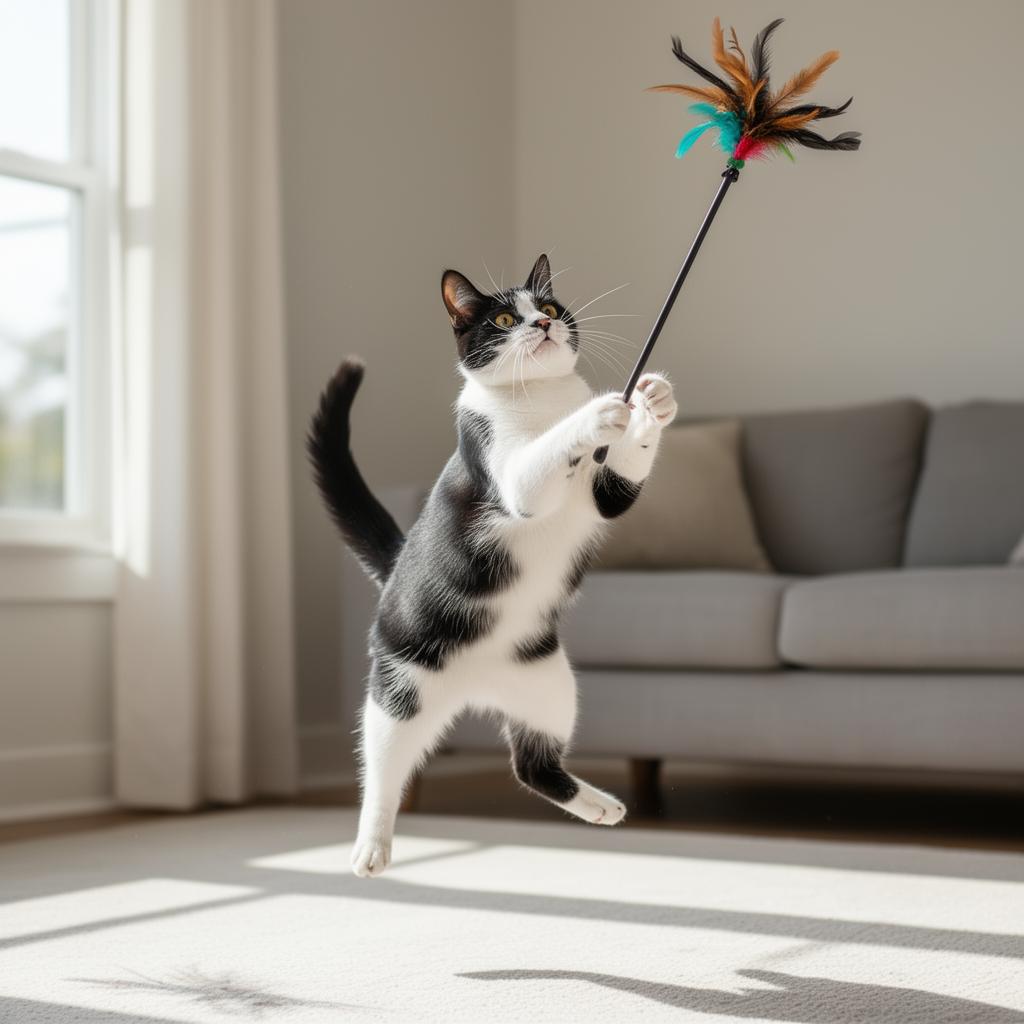
- Schedule a real evening hunt. 10–15 minutes of wand-toy play, 60–90 minutes before bed. Stalk, chase, pounce, "kill" — let the toy go limp at the end so your cat wins.
- Feed the post-hunt meal. A small wet-food meal right after play mimics the wild "kill → eat → sleep" sequence and reliably triggers a long nap.
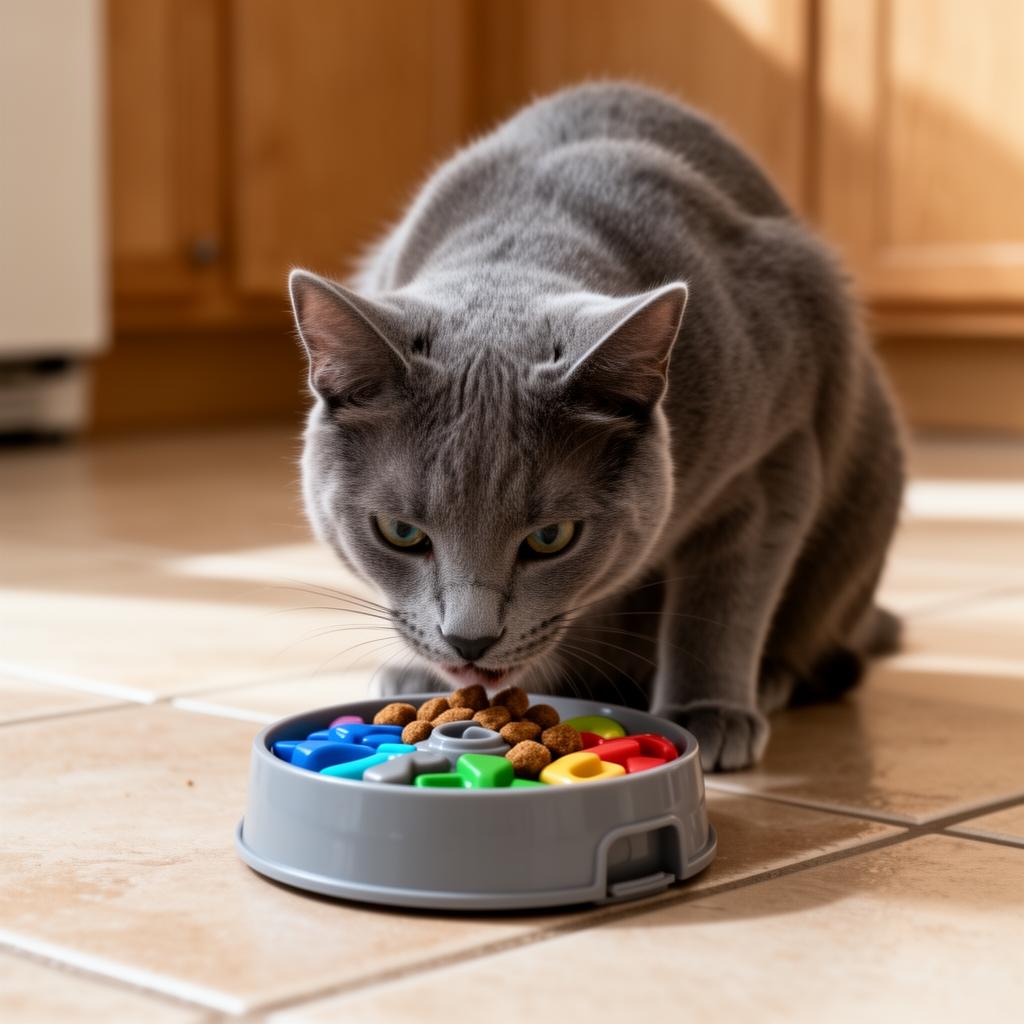
- Use a puzzle feeder for breakfast. Working for food in the morning burns mental energy and prevents the "save it all for 3 AM" pattern.
- Rotate toys weekly. Novelty matters. Three toys in rotation beat fifteen old favorites all out at once.
- Add vertical territory. A cat tree, a window perch, or a wall shelf gives your cat a daytime kingdom to patrol so they do not save it all for night.
- Block out the bedroom (kindly). If your cat repeatedly attacks your toes at 4 AM, a closed door plus a cozy bed elsewhere is not cruel — it is a boundary that protects everyone's sleep.
- Audit the diet. Sugary treats, table scraps, and free-fed kibble can all spike late-night energy. Vet-approved meals on a schedule are calmer fuel.
Best Products for Calmer Nights
Gear is no substitute for play, but a few well-chosen tools punch above their weight.
- Wand toys with feathers or fur — the gold standard for a real hunt simulation
- Puzzle feeders — slow eating, exercise the brain, prevent boredom
- Automatic feeders with timed micro-meals — break up the night for cats who wake you for food
- Cat trees and window perches — vertical territory is non-negotiable for indoor cats
- Calming pheromone diffusers — useful for stress-driven zoomies, especially in multi-cat homes
Kittens vs Adult Cats vs Seniors
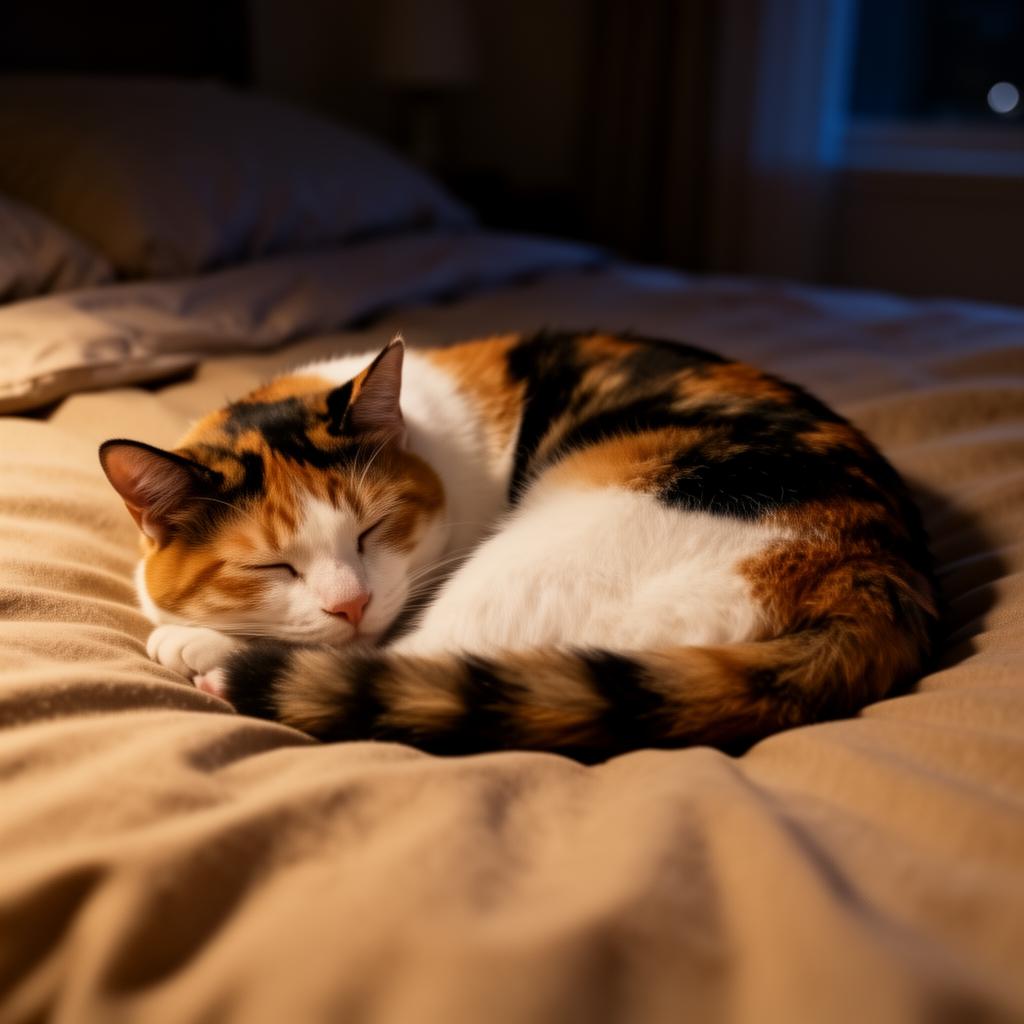
Kittens (under 1 year)
Expect daily, sometimes hourly, FRAPs. This is normal development. Channel it with two structured play sessions a day.
Adult cats (1–10 years)
FRAPs settle into a rhythm — usually morning and evening. A consistent play and feeding schedule keeps them predictable.
Senior cats (10+ years)
A sudden return of zoomies in an older cat is not "she's just feeling young again." It is one of the most common early signs of feline hyperthyroidism. Book a wellness exam.
Common Myths About Cat Zoomies
- "My cat is possessed." No. Your cat is a small predator with a daily energy budget.
- "Zoomies mean she's bored." Sometimes — but more often they are normal hunt-rehearsal.
- "Punish her and she'll stop." Punishment increases stress and FRAPs. Always redirect to a toy instead.
- "Only kittens get zoomies." Senior cats FRAP too — and in seniors, sudden changes deserve a vet visit.
Key Takeaways
- Cat zoomies (FRAPs) are normal, healthy hunt-rehearsal energy bursts
- 3 AM crazies tie back to crepuscular wiring + a too-quiet day
- The fix is not less energy — it is better-timed energy
- 15 minutes of evening wand play + a wet-food meal collapses most cats fast
- Sudden zoomies in a senior cat warrants a thyroid blood test
Frequently Asked Questions
Why does my cat get the zoomies at 3 AM specifically?
Cats are crepuscular and pre-dawn is their natural hunting window. Combined with a quiet, under-stimulated day, 3 AM becomes the energy release valve.
Are cat zoomies a sign my cat is happy?
Often yes — FRAPs in a relaxed, healthy cat are a sign of well-being. Pay attention only if they look frantic, painful, or new in a senior cat.
How long do cat zoomies last?
Usually 30 seconds to 2 minutes per burst. Anything longer or repeating constantly through the night deserves a closer look.
Should I play with my cat during the zoomies?
If it is a reasonable hour, yes — a wand toy gives the prey-drive circuit a real target. At 3 AM, ignore it; engagement teaches the cat that night sprints earn attention.
Conclusion
The 3 AM zoomies are not your cat being weird — they are your cat being a cat. Honor the hunt, schedule the energy, feed the post-kill meal, and most cats will trade midnight sprints for long, contented sleep right next to you. If something feels off, your veterinarian is one phone call away. Bookmark this guide and send it to the bleary-eyed cat parent in your life — their toes will thank you.
Educational content only — not a substitute for veterinary advice.
Internal reads: See our guide on why cats stare at their humans, the indoor cat daily care checklist, and our cat behavior library.
External authority: American Veterinary Medical Association, Cornell Feline Health Center.
Continue reading
Catales Editorial
Veterinary-informed cat journalism for U.S. pet parents.
Related articles
Why Is My Cat Staring at Me? The 2026 Guide Going Viral on TikTok
From silent love letters to subtle warning signs — feline behaviorists decode the unblinking stare that has the internet obsessed in 2026.
Decoding Cat Body Language: A Tail-to-Whisker Guide
Tails, ears, eyes, and posture — learn to read what your cat is really saying.
Why Do Cats Knead? The Science Behind 'Making Biscuits'
From kittenhood instinct to adult comfort behavior — the surprising reasons cats knead.
The Catales Letter
Cozy cat wisdom, every week
Vet-reviewed tips, breed spotlights, and product picks — straight to your inbox. No spam, ever.